


Tummy Tuck Surgery Incisions
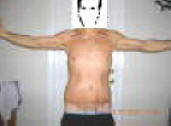 Full Tummy Tuck Incisions 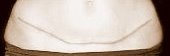 Mini-Tummy Tuck Incisions |
Tummy Tuck Incisions
Tummy tuck incisions
vary in size and shape with the type and complexity of the surgery you have. The
images provided show typical incisions for each type of tummy tuck (abdominoplasty)
operation. Surgical incision after-care instructions are provided as well as
typical questions patients have about surgical incisions.
What Incisions Are
Involved With A Full Tummy Tuck?
-
An initial incision is made across the lower stomach (directly above the pubic area). This may involve a long incision extending from hipbone to hipbone.
-
A second incision is made around the belly button to detach it from the surrounding skin.
-
Skin and fat are surgically separated from the abdominal wall and excess skin and fat are removed.
-
Stomach muscles are tightened by shortening them and suturing them together.
-
A small incision is made in the remaining skin to create a new opening for the belly button. The belly button is brought out through this incision and sutured to the "new" skin.
-
Drain tubes used to collect excess blood and fluids after the surgery are placed in the skin usually at locations below incision lines and are removed a few days later on a follow-up visit. Small incisions are made in the skin and are usually located above the pubic bone. These incisions are made to allow the drain tube to exit the body. Sutures are placed at the incision area to hold the drain tubes in place and keep them from moving.
-
All incisions are closed with sutures (stitches) and/or staples.
-
Surgical gauze is placed over the incision area to keep it clean and free from infection.
-
A compression garment may be placed on the patient at the end of surgery.
What Incisions
Are Involved With A Mini-Tummy Tuck?
A mini tummy tuck, also
called partial abdominoplasty or mini abdominoplasty, is less invasive and
requires only a small incision. Some patients don't have as much excess or
sagging skin above their belly button and do not need as extensive an operation
as a full tummy tuck. If most of their fat is located below their navel a mini
tummy tuck might be appropriate. This is a less complex procedure and does not
involve the belly button.
What Is A Surgical
Incision?
Surgical incision. The
cutting into the skin or body parts by a surgeon as part of an operation.
Where Are Tummy Tuck
Incisions Made?
There are two main tummy
tuck incisions. The first incision is rather large and is located across the
lower stomach (directly above the pubic area). The second tummy tuck incision is
made around the belly button.
Will My Tummy Tuck
Incisions Leave Scars?
A tummy tuck is not a
scar free operation. Scars made from surgical incisions like those in a tummy
tuck are permanent. The size and appearance of your scars will depend on the
incisions made during surgery, the amount of skin removed, your ability to heal,
whether you scar well, your nutrition, your health, your age and physical
condition, the skill of your surgeon, and the surgical technique used. Most
surgeons try to use the smallest incision possible and try to leave scars in a
place that will be covered by clothing.
 Tummy Tuck Incision after 2 Weeks 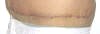 Tummy Tuck Incision after 2 Weeks |
How Many Incisions Will
I Need For My Tummy Tuck?
Two for a full tummy
tuck, one for a mini tummy tuck.
Will My
Tummy Tuck Incision Leave A Straight Scar Across
My Belly?
Usually yes but not
always. The shape and length of the incision will be decided by your plastic
surgeon according to the degree of correction needed. This can usually be
determined before the operation.
Tummy Tuck Incisions, Scars and Sunlight
How Long Should You Keep Tummy Tuck Incisions and Tummy Tuck Scars Out Of
Direct Sunlight?
Sunlight Verses Tummy Tuck Surgical Scars
How Do You Know If A
Tummy Tuck Surgical Incision Is Infected?
Your surgical incision
may be infected if it feels warm to the touch, turns more red with time, has
more pain with time, if the tissue surrounding the incision hardens, become
swollen or appears puffy or if you see discolored or foul smelling fluid
draining from the incision.
Will My Surgical
Incision Form A Scab?
Yes, it is normal for a
surgical incision to have a scab. Scabs are an indication that your incision is
healing. Don't touch or pick at your scab. Let it fall off naturally. Picking at
scabs can lead to slow healing and increased scarring.
When Will My Scab From
My Surgical Incision Fall Off?
Typically within two
weeks your surgical incision will be free of scabs. Scabs fall off at different
rates for different people.
What are Surgical
Incision Sites
A site is a location of
a certain activity. Surgical incision sites are the locations where the surgeons
make incisions into the body for surgery. Surgical incision sites vary with each
type of surgery, surgeon and patient.
My Surgical Incision Not
Healing. What Can I Do?
If you think that your
surgical incision is not healing properly the only thing you can do is go back
to your surgeon and have him/her check it out.
What Can I Expect From
Pain Related To Surgical Incision?
Pain related to surgical
incisions is different for everyone. For my tummy tuck and lateral thigh lift
operation, my surgical incisions were never painful because they were too numb.
After the numbness wore off there was no pain.
What Is The Risk For
Infection Related To Surgical Incision
The risk of infection
related to surgical incision is always present. Surgical incisions, if not kept
clean and protected are an open invitations for infections.
How Do I Care For My
Surgical Incision?
The most important
things to do for your tummy tuck incision after surgery is to keep it clean so
it doesn't become infected and will heal quickly. Your incision will likely be
closed with sutures, staples, steri-strips or surgical glue.
Post Surgical Incision Care
Keep Your Surgical
Incision Clean
-
Wash your hands thoroughly with antibacterial soap. Hand washing should be done before touching your incision or changing the dressing on your incision.
-
Wash your incision with liquid antibacterial soap. Do not scrub your incision. Scrubbing may cause harm to the incision area and stitches and slow healing.
-
Do not soak or wet the incision area for an extended time such that it puckers and softens.
-
Rinse your surgical incision well to make sure no soap residue remains.
-
Gently pat dry your incision and allow to air dry completely
-
Cover with appropriate bandages or clothing.
Inspect Your Surgical
Incision Regularly
-
Wash your hands with antibacterial soap before removing bandages.
-
Look for redness. A small amount of redness along the surgical incision line is normal and should not be a concern. It should lessen as the incision heals. If you notice that the redness of the incision increases and becomes warm it may indicate an infection and should be reported to your doctor.
-
Look for drainage from your surgical incision. For the first day or two following surgery, a small amount of clear fluid leaking from your incision may occur. If you see greenish/yellowish/bloody or white pus or anything else seeping from your incision it's probably not a good sign (indication of infection) and should be reported immediately to your doctor.
-
Look for gaps or openings in you incision. The edges of both sides of your skin should meet evenly and closely. There should be no gaps or openings.
Bandaging and Protecting Your Surgical Incisions
-
Protecting and keeping your surgical incision area clean will help you avoid complications and allow you to heal faster. It is important never to do anything that will tug or pull on your surgical incision area. These actions can cause your incision to open leading to infections, larger scars and other complications.
-
Coughing, sneezing, vomiting, bending, lifting heavy objects, bowel movements and other activities may exert stress and pull on your stitches or otherwise open your incision. A general recommendation is to avoid lifting anything over 5 pounds for the first two weeks. If you have to cough, sneeze or do one of the other activities, hold or brace your incision tightly to avoid jarring or stretching of the area. Keep it contained. A tightly bound compression garment works well for this.
-
Avoid exposure to direct sunlight on you surgical incision
-
Of course you never want to get a sunburn on a surgical incision area. Sunlight on an incision may also increase the appearance of surgical scars.
Tummy Tuck Incision - Feedback Messages
The following Reader Comments are relevant to the subject of this
page.
To read all Tummy Tuck Feedback
click here.
Ask A Question/Tell Your Experience