PT-PTT Blood Clotting Test
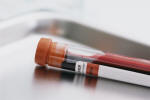
PT-PTT is a blood test for measuring how quickly your blood clots. It is sometimes ordered as pre-surgical screening for bleeding tendencies or when someone has unexplained bleeding or clotting.
 |
What is Prothrombin?
Prothrombin is a protein produced by your liver that helps your blood to clot. During the clotting process prothrombin changes into a different substance called thrombin which is essential for blood coagulation.
A prothrombin time test is done to measure how quickly your blood will clot. Blood clotting is an important process that prevents excessive bleeding when a blood vessel is injured. It is also used to detect liver problems, monitor the effectiveness of blood-thinning medications and detect bleeding problems before surgery.
How Is A PT-PTT Done?
A blood sample is taken from the patients arm with a syringe and sent to a lab for analysis.
What Can PT-PTT Show?
The test can show whether you are clotting too fast or too slow. Blood that clots too slowly can be causes by blood-thinning medications, liver problems, inadequate levels of proteins, vitamin K deficiency, estrogen-containing medications, antacids, quinidine, antibiotics or other medications. Clotting too fast can be caused by too much vitamin K from supplements and foods, estrogen-containing medications, thrombophlebitis, antifungal medications, antihistamines.
What Are The Risks?
The only risks with a test are those associated with drawing a sample (soreness or bruising at the sampling point).
How Do I Prepare For A PT-PTT?
Typically fasting before the test is not required and you can take all medications. Do not take supplements the day of the test.
What Happens After?
Results of the test are forwarded to your doctor. Abnormal results may indicate a problem that requires additional testing.
Ask A Question/Tell Your Experience